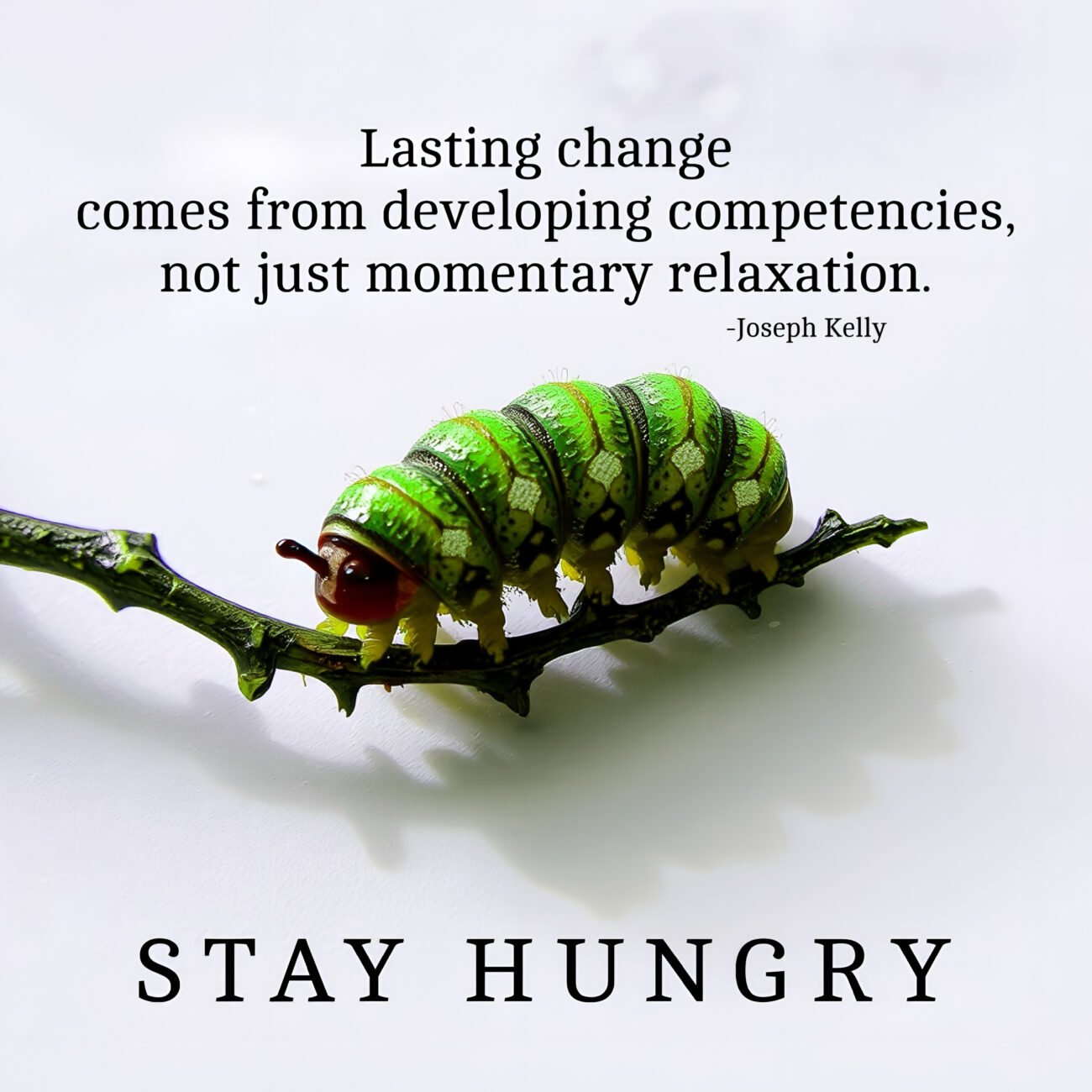
In the grand theater of human existence, we are both the playwright and the protagonist of our own story. Each day presents us with a choice: to remain static in our current understanding or to embrace the transformative power of lifelong learning. This choice, seemingly simple, holds the key to unlocking our highest potential—a potential that lies not in some distant future achievement, but in the continuous evolution of our consciousness, wisdom, and capacity for growth.
The convergence of personal development, spiritual awareness, and conscious living creates a powerful trinity that can fundamentally transform how we experience life. When we approach learning as a sacred practice rather than merely an intellectual exercise, we open ourselves to possibilities that extend far beyond traditional education or skill acquisition.
The Neuroscience of Transformation: How Learning Rewires Your Brain
Modern neuroscience has revolutionized our understanding of human potential through the discovery of neuroplasticity—the brain’s remarkable ability to reorganize itself throughout our lifetime. Dr. Michael Merzenich’s groundbreaking research demonstrates that our brains remain malleable well into old age, constantly forming new neural pathways based on our experiences and learning activities.
This scientific revelation aligns beautifully with ancient wisdom traditions that have long recognized the mind’s capacity for transformation. When we engage in conscious learning, we’re literally sculpting our neural architecture, creating new possibilities for thought, emotion, and behavior.
The implications are profound: every moment of genuine learning is an act of self-creation. We are not prisoners of our past conditioning or genetic predispositions. Instead, we are dynamic beings capable of continuous reinvention through the deliberate practice of growth-oriented learning.
The Growth Mindset Foundation
Stanford psychologist Carol Dweck’s research on growth mindset provides crucial insight into how our beliefs about ability and intelligence shape our learning capacity. Those who embrace a growth mindset—believing that abilities can be developed through dedication and hard work—consistently outperform those with fixed mindsets who view talents as static traits.
This research reveals that our approach to learning is as important as the content we’re learning. When we view challenges as opportunities for growth rather than threats to our self-image, we unlock a profound source of resilience and motivation that propels us toward our highest potential.
The Conscious Learning Framework: Beyond Information to Transformation
True lifelong learning transcends the mere accumulation of information. It involves a conscious, intentional approach to growth that integrates multiple dimensions of human experience. This framework consists of four interconnected pillars:
1. Contemplative Awareness
Contemplative awareness involves developing the capacity to observe our thoughts, emotions, and experiences with clarity and non-judgment. Research by neuroscientist Sara Lazar at Massachusetts General Hospital shows that regular contemplative practices literally increase cortical thickness in areas associated with attention and sensory processing.
This heightened awareness becomes the foundation for all other learning. When we can observe our mental patterns and emotional reactions without being overwhelmed by them, we create space for genuine insight and transformation to occur.
“The real voyage of discovery consists not in seeking new landscapes, but in having new eyes.” – Marcel Proust
2. Embodied Integration
Learning is not purely intellectual—it must be integrated into our entire being. This means connecting new insights with our emotions, physical sensations, and lived experiences. Research in embodied cognition shows that our physical states significantly influence our cognitive processes and emotional well-being.
When we learn something new, we must ask ourselves: How does this knowledge feel in my body? How does it connect to my lived experience? How can I embody this wisdom in my daily actions?
3. Relational Learning
Human beings are inherently social creatures, and our deepest learning often occurs in relationship with others. Social learning theory, developed by Albert Bandura, demonstrates that we learn not only through direct experience but also through observation, interaction, and collaboration with others.
The practice of conscious dialogue—truly listening to others with an open heart and mind—can accelerate our growth in ways that solitary study cannot. When we engage with diverse perspectives and challenge our assumptions through meaningful relationships, we expand our capacity for understanding and compassion.
4. Applied Wisdom
Knowledge without application remains sterile. True learning manifests when we translate insights into concrete actions that align with our highest values and aspirations. This requires courage, commitment, and the willingness to experiment with new ways of being in the world.
The Spiritual Dimension: Learning as Sacred Practice
When we approach learning as a spiritual practice, we transform education from a mundane activity into a sacred journey of self-discovery. This perspective recognizes that every experience—whether pleasant or challenging—offers opportunities for growth and awakening.
Ancient wisdom traditions have always understood learning in this holistic sense. The Greek concept of paideia referred not just to education but to the cultivation of human excellence in all its dimensions. Similarly, the Sanskrit term vidya encompasses not only knowledge but wisdom and spiritual insight.
The Role of Mystery and Wonder
In our information-saturated age, we often lose touch with the sense of mystery and wonder that fuels authentic learning. Research by psychologist Dacher Keltner on the emotion of awe shows that experiences of wonder and transcendence significantly enhance creativity, generosity, and overall well-being.
Cultivating a sense of awe and wonder toward life’s mysteries keeps our minds open and our hearts receptive to new possibilities. When we approach learning with beginner’s mind—what Zen Buddhism calls shoshin—we remain curious and humble, ready to be surprised by life’s teachings.
Practical Strategies for Conscious Lifelong Learning
Understanding the theory of conscious learning is valuable, but transformation occurs through consistent practice. Here are evidence-based strategies for integrating lifelong learning into your daily experience:
1. Create Learning Rituals
Establish regular practices that support your growth and development. This might include:
- Morning reflection and intention setting
- Evening review of the day’s lessons and insights
- Weekly periods for deep study or contemplation
- Monthly goal setting and progress assessment
Research on habit formation by Dr. BJ Fogg at Stanford shows that linking new behaviors to existing routines significantly increases the likelihood of sustained practice.
2. Embrace Discomfort as a Teacher
Growth occurs at the edge of our comfort zones. Psychologist Lev Vygotsky’s concept of the “zone of proximal development” suggests that optimal learning happens when we engage with material that is slightly beyond our current ability level.
Rather than avoiding challenging situations, conscious learners seek them out as opportunities for expansion. This requires developing what psychologist Angela Duckworth calls “grit”—the passion and perseverance for long-term goals despite obstacles and setbacks.
3. Practice Reflective Inquiry
Develop the habit of asking powerful questions that promote deep reflection and insight:
- What am I being called to learn in this situation?
- How is this experience serving my highest growth?
- What assumptions am I making that might be limiting my understanding?
- How can I apply this learning to serve others?
4. Cultivate Multiple Intelligence
Howard Gardner’s theory of multiple intelligences reminds us that there are many different ways of being smart. Conscious learners engage various forms of intelligence:
- Logical-mathematical: Analytical thinking and problem-solving
- Linguistic: Communication and storytelling
- Kinesthetic: Body awareness and physical learning
- Musical: Rhythm, melody, and aesthetic appreciation
- Interpersonal: Understanding and relating to others
- Intrapersonal: Self-awareness and emotional intelligence
- Naturalistic: Connection with nature and environmental systems
- Existential: Contemplation of life’s big questions
Overcoming Common Obstacles to Growth
The path of conscious learning is not without challenges. Understanding these obstacles can help us navigate them with greater skill and compassion.
The Ego’s Resistance to Change
Our ego-mind naturally resists change because it perceives unfamiliarity as a potential threat. This resistance can manifest as procrastination, self-doubt, or the tendency to stay within familiar patterns even when they no longer serve us.
The key is to recognize this resistance with compassion rather than judgment. Research by psychologist Kristin Neff on self-compassion shows that treating ourselves with kindness during difficult moments actually increases our motivation and resilience.
Information Overload
In our digital age, we have access to more information than ever before, but this abundance can sometimes hinder rather than help our growth. The key is to focus on depth rather than breadth, choosing a few areas for concentrated study rather than skimming the surface of many topics.
The Comparison Trap
Social media and competitive culture can lead us to compare our learning journey with others’, creating feelings of inadequacy or the pressure to achieve certain milestones within specific timeframes. Remember that authentic growth is highly individual and cannot be measured against external standards.
The Ripple Effects: How Personal Growth Serves the World
When we commit to our own conscious development, we create ripple effects that extend far beyond our individual lives. Research in positive psychology shows that personal well-being and growth have measurable impacts on our relationships, communities, and even global consciousness.
As we develop greater emotional intelligence, we become more effective in our relationships. As we expand our awareness, we make more conscious choices that consider the well-being of others and future generations. As we cultivate wisdom and compassion, we naturally become agents of positive change in the world.
This understanding transforms learning from a selfish pursuit into a form of service. When we grow, we increase our capacity to contribute meaningfully to the collective healing and evolution that our world desperately needs.
Creating Your Personal Learning Manifesto
To integrate these principles into your life, consider creating a personal learning manifesto—a declaration of your commitment to growth and the principles that will guide your journey. This document might include:
- Your core values and how they relate to learning
- Your definition of success in the realm of personal growth
- The practices and disciplines you commit to maintaining
- The ways you will measure progress beyond external achievements
- Your intention to serve others through your own development
The Endless Beginning: Embracing the Journey
Perhaps the most beautiful aspect of conscious lifelong learning is that it has no endpoint. There is always another layer of understanding to uncover, another dimension of experience to explore, another way to expand our capacity for love, wisdom, and service.
This perspective transforms aging from a process of decline into a journey of continuous deepening. Research on successful aging shows that those who maintain curiosity, continue learning, and find meaning in their experiences enjoy greater physical health, mental acuity, and life satisfaction well into their later years.
As we conclude this exploration, remember that every moment offers a fresh opportunity to learn, grow, and evolve. The question is not whether you have the capacity for transformation—neuroscience confirms that you do. The question is whether you will choose to embrace that capacity consciously and courageously.
Your highest potential awaits not in some distant future, but in this very moment, in your willingness to approach life as both student and teacher, seeker and finder, human being and human becoming. The journey of conscious learning is perhaps the greatest adventure available to us—one that promises not just personal fulfillment, but the possibility of contributing to the healing and evolution of our world.
Step forward with curiosity, courage, and compassion. Your transformation is not just a gift to yourself—it is a gift to all of humanity.