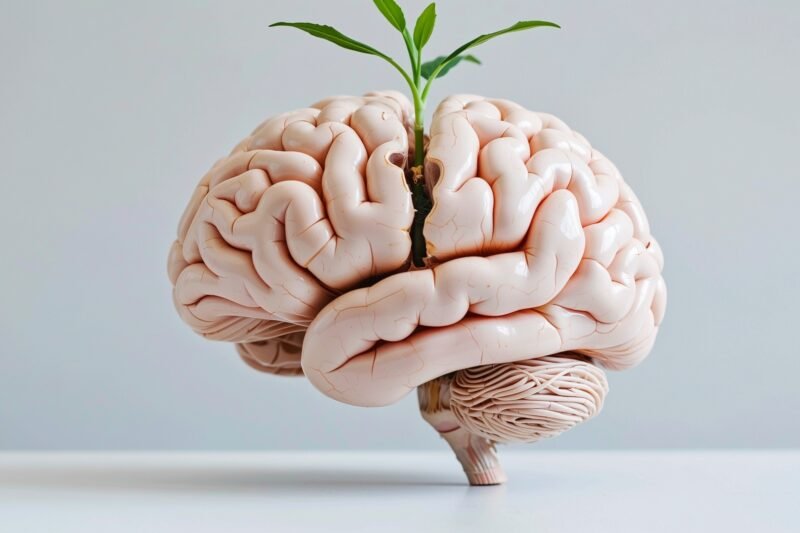
Within the landscape of human psychology, few concepts hold as much promise for understanding our inner lives as differentiation and integration. These twin processes, working in harmonious counterpoint throughout our development, represent the fundamental mechanisms through which we grow into more complete, authentic versions of ourselves. Moreover, they offer us a practical framework for navigating the complexities of emotional growth, relationship challenges, and personal transformation.
The Foundations of Psychological Development
Differentiation and integration emerged from developmental psychology as complementary forces that shape our psychological maturity. Initially, these concepts were explored through the lens of family systems theory, where Murray Bowen first articulated differentiation as the ability to maintain one’s sense of self while remaining emotionally connected to others. However, the implications extend far beyond family dynamics into every aspect of human experience.
To understand differentiation, we must first recognize it as the process by which we develop distinct, separate aspects of ourselves. Think of a child who gradually learns to distinguish between their own emotions and those of their parents, or an adult who discovers they can hold different values from their cultural background while still honoring their heritage. Differentiation involves the capacity to think, feel, and act based on our own authentic experience rather than simply reacting to external pressures or internal impulses.
Integration, conversely, represents the ongoing process of weaving these differentiated parts into a coherent whole. Rather than existing as fragmented pieces of personality, our various aspects learn to work together in service of our deeper values and intentions. Integration allows us to access our full range of human capacities while maintaining a stable sense of identity and purpose.
Perhaps you can sense how these processes might be operating in your own life right now. Notice for a moment whether you feel more fragmented or integrated in this moment. Are different parts of yourself in harmony, or do you sense internal conflict between competing desires or values?
The Dance Between Separation and Connection
One of the most profound insights from studying differentiation and integration involves recognizing them as paradoxical processes. Healthy differentiation actually enhances our capacity for genuine intimacy and connection. When we develop a strong sense of self, we become less reactive, less defensive, and more capable of responding to others from a place of choice rather than compulsion.
Research by David Schnarch, building on Bowen’s foundational work, demonstrates that couples with higher levels of differentiation experience greater relationship satisfaction, more authentic intimacy, and better conflict resolution skills. This occurs because differentiated individuals can maintain their own emotional equilibrium while remaining open to their partner’s experience. They neither lose themselves in the relationship nor withdraw completely when tensions arise.
Similarly, Carl Jung’s concept of individuation mirrors this developmental process. Individuation involves differentiating ourselves from collective unconscious patterns, family expectations, and cultural conditioning while simultaneously integrating previously unconscious aspects of our personality. Jung observed that this process requires us to develop what he called “the tension of opposites”, the ability to hold contradictory elements within ourselves without needing to resolve them prematurely.
Consider how this might manifest in your daily relationships. When someone expresses strong emotions or opinions that differ from yours, do you find yourself automatically agreeing to avoid conflict, or perhaps becoming defensive and argumentative? Both responses suggest areas where differentiation might serve you. A more differentiated response involves staying present with your own experience while remaining curious about the other person’s perspective.
Developmental Stages and Psychological Maturity
Differentiation and integration unfold across our entire lifespan, though they often intensify during particular developmental transitions. Adolescence represents one of the most visible examples, as teenagers work to differentiate their identity from their family while integrating new cognitive, emotional, and social capacities.
However, these processes continue well into adulthood. Erik Erikson’s stages of psychosocial development illustrate how each life phase presents new opportunities for differentiation and integration. Young adults differentiate their career identity while integrating intimacy skills. Middle-aged individuals often differentiate from earlier achievements while integrating wisdom and generativity. Older adults work to differentiate from their physical limitations while integrating the full spectrum of their life experience.
Contemporary research by developmental psychologist Robert Kegan suggests that our capacity for differentiation and integration determines our “order of consciousness”, essentially, how complex and sophisticated our meaning-making systems become. Individuals operating from higher orders of consciousness can hold multiple perspectives simultaneously, tolerate ambiguity more effectively, and navigate complex social and emotional situations with greater skill.
You might reflect on your own developmental process for a moment. What aspects of yourself have you worked to differentiate from family, cultural, or peer influences? How well integrated do these various aspects feel within your current sense of identity?
Emotional Regulation and Internal Differentiation
Beyond interpersonal relationships, differentiation and integration prove essential for emotional regulation and mental health. Internal differentiation involves developing awareness of our various emotional states, thought patterns, and behavioral tendencies without becoming overwhelmed or controlled by them.
Mindfulness research, particularly work by Jon Kabat-Zinn and Judson Brewer, demonstrates that observing our internal experience with curious, nonjudgmental awareness creates natural differentiation between the observer and what is observed. This differentiation provides space for choice and response rather than automatic reaction.
Integration happens when we learn to welcome all aspects of our emotional experience while maintaining perspective and choice about how we respond. Instead of being hijacked by anxiety, anger, or sadness, we can acknowledge these emotions as valuable information while choosing our actions based on deeper values and intentions.
Internal Family Systems therapy, developed by Richard Schwartz, provides a practical framework for understanding this process. Schwartz suggests that we all contain various “parts”, aspects of personality that developed to help us navigate life’s challenges. Healthy functioning involves differentiating these parts (recognizing them as aspects of ourselves rather than our entire identity) while integrating them under the guidance of what Schwartz calls the “Self”, our core, undamaged essence.
For instance, you might notice a part of yourself that becomes highly critical when you make mistakes, another part that wants to avoid challenges entirely, and yet another part that pushes relentlessly toward achievement. Differentiation involves recognizing these as parts rather than your complete identity. Integration involves appreciating how each part has tried to help you while ensuring they work together in service of your authentic goals and values.
Trauma, Healing, and Psychological Integration
Trauma often disrupts natural differentiation and integration processes, creating fragmentation within the psyche. When overwhelming experiences exceed our capacity to process them, parts of our experience may become isolated or split off from conscious awareness. This protective mechanism, while initially adaptive, can lead to ongoing difficulties with emotional regulation, relationships, and sense of self.
Trauma-informed therapy approaches, including work by Bessel van der Kolk and Peter Levine, emphasize the importance of gradual differentiation and integration in healing. Rather than forcing traumatic memories into conscious awareness, effective treatment helps clients develop the capacity to differentiate between past and present, between traumatic activation and current safety, and between survival responses and chosen actions.
Integration in trauma recovery involves welcoming previously split-off aspects of experience back into consciousness and identity. This process requires patience, skilled support, and often occurs in small increments over time. The goal is not to eliminate the impact of trauma but to integrate it as part of a larger, more complete sense of self and life narrative.
Notably, post-traumatic growth research indicates that individuals who successfully integrate traumatic experiences often develop greater psychological complexity, deeper empathy, and stronger sense of personal values. The integration process, while challenging, can lead to increased differentiation from limiting beliefs and greater integration of wisdom and resilience.
Neurobiological Foundations
Modern neuroscience research provides fascinating insights into the biological underpinnings of differentiation and integration. Daniel Siegel’s work on interpersonal neurobiology suggests that healthy brain development depends on the integration of various neural networks and brain regions.
The prefrontal cortex, often called the “executive brain, ” plays a crucial role in differentiation by allowing us to observe our thoughts, emotions, and impulses with perspective. Meanwhile, integration occurs through the development of neural pathways that connect different brain regions, allowing for coordinated functioning between rational thought, emotional processing, bodily awareness, and social connection.
Research on neuroplasticity demonstrates that differentiation and integration can continue throughout our lives. Practices such as meditation, therapy, and conscious relationship work literally reshape neural pathways, enhancing our capacity for self-awareness, emotional regulation, and interpersonal connection.
Furthermore, studies of secure attachment relationships show that early experiences of healthy differentiation and integration become encoded in our nervous systems. Children who experience consistent, attuned caregiving develop better integrated neural networks and greater capacity for emotional regulation throughout their lives.
Practical Applications in Daily Life
Understanding differentiation and integration provides valuable guidance for navigating common life challenges. In relationships, these concepts help us balance autonomy and connection, maintaining our individual identity while building genuine intimacy. At work, they support healthy boundaries, creative collaboration, and authentic leadership.
For example, consider how differentiation might transform your experience of conflict. Instead of becoming defensive or accommodating when disagreements arise, you could practice staying connected to your own perspective while remaining curious about the other person’s experience. This differentiated stance often leads to more creative solutions and deeper understanding.
In parenting, differentiation involves maintaining your own emotional equilibrium while remaining responsive to your child’s needs. Integration means helping children develop their individual capacities while fostering their sense of belonging and connection within the family system.
Career development also benefits from these principles. Differentiation might involve recognizing which professional values and goals truly align with your authentic self rather than external expectations. Integration involves bringing your full range of skills, interests, and values into your work rather than compartmentalizing different aspects of yourself.
Take a moment to consider where you might apply these concepts in your current life circumstances. Are there areas where you tend to lose yourself in others’ expectations or emotions? Are there aspects of yourself that feel disconnected or in conflict with each other?
Cultural and Social Dimensions
Differentiation and integration do not occur in a vacuum but are deeply influenced by cultural, social, and historical contexts. Different cultures emphasize various aspects of these processes, with some prioritizing individual differentiation and others emphasizing collective integration.
Western individualistic cultures often excel at promoting differentiation, encouraging people to develop unique identities, pursue individual goals, and express personal opinions. However, they may struggle with healthy integration, leading to isolation, competition, and fragmentation.
Conversely, more collectivistic cultures may excel at fostering integration and community connection while sometimes limiting individual differentiation. The challenge lies in finding culturally appropriate ways to balance both processes.
Social justice and multicultural psychology highlight how oppressive social conditions can interfere with natural differentiation and integration processes. When individuals face discrimination or marginalization, they may struggle to develop authentic self-expression while maintaining necessary social connections and safety.
Additionally, social media and digital technology present new challenges for differentiation and integration. The constant stream of information and social comparison can make it difficult to differentiate our authentic experiences from external influences. Meanwhile, online interactions may lack the depth necessary for genuine integration and intimacy.
Obstacles and Common Challenges
Several common obstacles can interfere with healthy differentiation and integration. Anxiety often drives us toward premature integration (avoiding the discomfort of differentiation) or excessive differentiation (withdrawing from connection to maintain safety). Depression may limit our energy for the active work required in both processes.
Perfectionism represents another significant barrier, as it often involves rigid attempts to control both differentiation and integration rather than allowing these processes to unfold naturally. Perfectionist individuals may struggle to tolerate the messiness and uncertainty inherent in psychological growth.
Family-of-origin patterns frequently create obstacles as well. Families that discourage individual expression may make differentiation feel dangerous, while families that prioritize independence over connection may make integration seem threatening.
Substance use and other addictive behaviors often represent misguided attempts at differentiation or integration. Substances may temporarily provide relief from internal fragmentation or overwhelming emotions, but they ultimately interfere with the authentic work of psychological development.
Recognizing these obstacles with compassion rather than judgment creates space for growth. Like all humans navigating the complexities of psychological development, we encounter setbacks, confusion, and resistance. These challenges are not signs of failure but natural parts of the differentiation and integration process.
The Ongoing Journey of Growth
Perhaps most importantly, differentiation and integration represent ongoing processes rather than destinations. We continually encounter new situations, relationships, and developmental challenges that invite further growth in these areas. A relationship that ends, a career transition, a health crisis, or even positive changes like marriage or parenthood can stimulate new rounds of differentiation and integration.
This ongoing quality means that we can approach these processes with curiosity and patience rather than urgency or self-criticism. Each life experience offers opportunities to develop greater self-awareness, more authentic relationships, and deeper integration of our various capacities and values.
Furthermore, research suggests that individuals who embrace differentiation and integration as lifelong processes experience greater psychological flexibility, resilience, and well-being. They remain open to growth and change while maintaining stable core values and identity.
As you continue reflecting on these concepts, you might notice how they illuminate patterns in your own development. What aspects of yourself have you successfully differentiated and integrated? Where do you sense opportunities for continued growth? How might understanding these processes change your approach to relationships, work, and personal challenges?
The beauty of differentiation and integration lies not in their complexity but in their fundamental simplicity. They represent our natural tendency toward growth, authenticity, and connection. When we understand and support these processes, we align ourselves with deep currents of psychological health and human flourishing. Rather than forcing change or accepting stagnation, we can trust in our innate capacity for continued development while actively participating in our own growth with wisdom, patience, and compassionate awareness.