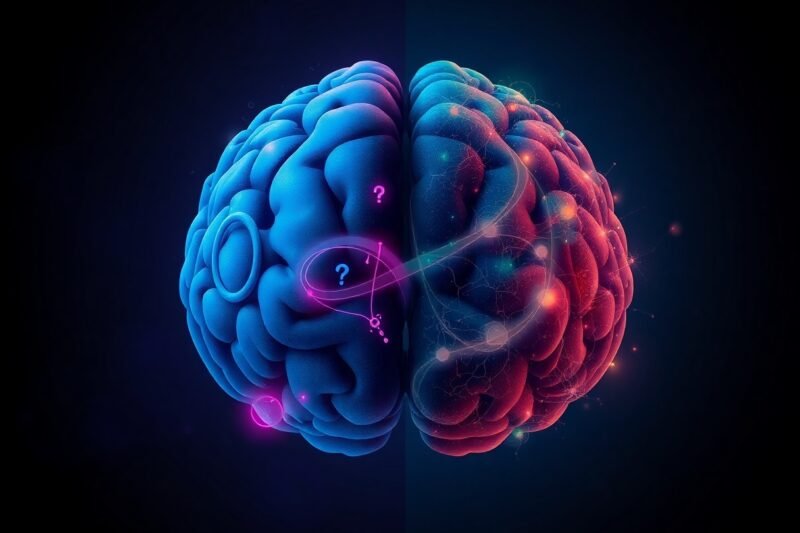
The human brain operates like a vast network of interconnected pathways, each mind creating its own unique pattern of connections, processing speeds, and focal points. For those whose neural architecture differs from the statistical majority, the neurodivergent, this difference has long been framed through the lens of deficit and disorder. However, contemporary research reveals a more nuanced truth: neurodivergent minds possess distinct advantages that contribute meaningfully to human innovation, creativity, and problem-solving. These cognitive differences, rather than representing flaws to be corrected, offer valuable perspectives that enrich our collective understanding of the world.
The Philosophical Foundation: Diversity as Natural Design
Ancient philosophical traditions have long recognized that diversity strengthens the whole. Aristotle observed that excellence emerges not from uniformity, but from the harmonious interaction of different capacities working toward common purposes. Similarly, the Stoic philosophers understood that what appears as weakness in one context often reveals itself as strength in another. Marcus Aurelius wrote that impediments to action advance action, and what stands in the way becomes the way itself.
This wisdom finds particular relevance when we consider neurodivergence. Conditions such as autism, ADHD, dyslexia, and other neurological variations represent natural variations in human cognitive architecture. Rather than viewing these differences as departures from an ideal norm, we might understand them as different instruments in the orchestra of human consciousness, each contributing unique tones, rhythms, and harmonies to our collective experience.
The Buddhist concept of interdependence further illuminates this perspective. Just as ecosystems thrive through biodiversity, human communities flourish when they embrace neurodiversity. Different minds perceive different patterns, notice different details, and generate different solutions. This cognitive diversity becomes particularly valuable in complex problem-solving scenarios where multiple perspectives prove essential.
Consider how this plays out in your own experience. Perhaps you have noticed moments when someone’s seemingly unconventional approach revealed insights you had missed entirely. These instances point toward a fundamental truth: difference is not deficiency, but rather a different pathway to understanding and innovation.
The Scientific Evidence: Research Reveals Hidden Advantages
Contemporary neuroscience research increasingly supports what philosophers have long intuited about the value of cognitive diversity. Studies conducted by researchers like Simon Baron-Cohen at Cambridge University demonstrate that autistic individuals often exhibit enhanced pattern recognition abilities, superior attention to detail, and increased capacity for systematic thinking. These cognitive strengths translate into practical advantages in fields requiring precision, analysis, and sustained focus.
Furthermore, research published in the Journal of Autism and Developmental Disorders (Mottron et al., 2013) reveals that autistic individuals frequently demonstrate enhanced perceptual functioning. They often notice details that neurotypical individuals miss, process visual information more accurately, and maintain focus on tasks for extended periods without the distractibility that affects many neurotypical minds.
Similarly, ADHD research conducted by Dr. Michelle Mowbray at the University of Memphis shows that individuals with ADHD often possess enhanced creativity, innovative thinking patterns, and the ability to hyperfocus on areas of interest. The same neural mechanisms that create challenges with sustained attention in boring or routine tasks enable extraordinary concentration and creative insight in engaging activities.
Additionally, dyslexia research by Dr. Brock Eide demonstrates that dyslexic individuals frequently exhibit superior spatial reasoning, enhanced ability to see the “big picture, ” and increased creative problem-solving capabilities. The neural pathways that create reading challenges often simultaneously enhance three-dimensional thinking, pattern recognition, and innovative approaches to complex problems.
These findings suggest that neurodivergent minds are not broken versions of typical brains, but rather different configurations that excel in specific domains. The key lies in recognizing these strengths and creating environments where they can flourish.
The Innovation Connection
Historical analysis reveals that many groundbreaking innovators likely possessed neurodivergent traits. Einstein’s delayed speech development and intense focus on specific interests align with autism spectrum characteristics. Tesla’s obsessive attention to detail and sensory sensitivities suggest similar patterns. Edison’s distractibility and hyperfocus cycles match ADHD presentations.
Moreover, contemporary Silicon Valley research by Dr. Ari Ne’eman indicates that technology companies increasingly recognize the value of neurodivergent employees. Companies like Google, Microsoft, and SAP have developed specific recruitment programs targeting autistic individuals, recognizing their superior pattern recognition, attention to detail, and systematic thinking abilities.
Psychological Advantages: Unique Cognitive Gifts
From a psychological perspective, neurodivergent minds offer several distinct advantages that complement neurotypical cognitive patterns. These advantages emerge from the same neurological differences that create challenges in conventional environments, demonstrating how strength and vulnerability often coexist within the same system.
Enhanced Pattern Recognition
Many neurodivergent individuals demonstrate superior pattern recognition abilities. Autistic minds, in particular, excel at identifying subtle patterns that others miss. This capability proves invaluable in fields such as data analysis, quality control, scientific research, and artistic creation. The same intense focus that creates social communication challenges enables deep pattern analysis that neurotypical minds often lack.
Research by Dr. Laurent Mottron at the University of Montreal demonstrates that autistic individuals process information more locally and systematically than neurotypical individuals, leading to enhanced detection of embedded patterns and superior performance on tasks requiring attention to detail. This cognitive style translates into practical advantages in numerous professional contexts.
Hyperfocus Capabilities
ADHD minds possess a unique ability called hyperfocus, intense, sustained concentration on activities of interest. While ADHD creates challenges with attention regulation in boring or routine tasks, it enables extraordinary focus and productivity when the individual engages with compelling material.
Dr. Russell Barkley’s research on ADHD reveals that hyperfocus allows individuals to achieve flow states more readily than neurotypical individuals, leading to enhanced creativity, productivity, and innovative thinking. Many entrepreneurs, artists, and inventors credit their ADHD-related hyperfocus abilities with enabling their greatest achievements.
Creative Thinking Patterns
Neurodivergent minds often think in non-linear, associative patterns that generate creative connections between seemingly unrelated concepts. Dyslexic individuals, for example, frequently demonstrate enhanced creative thinking abilities, superior storytelling capabilities, and innovative problem-solving approaches.
Research published in the Creativity Research Journal shows that dyslexic individuals score higher on measures of creativity and original thinking compared to neurotypical controls. Their brains make connections between distant concepts more readily, leading to innovative insights and creative solutions.
Practical Benefits: Real-World Applications
The cognitive advantages of neurodivergent minds translate into concrete practical benefits across multiple domains of life and work. Understanding these benefits helps both neurodivergent individuals and the organizations that employ them harness these natural strengths effectively.
Professional Excellence
Different neurodivergent conditions align with different professional strengths. Autistic individuals often excel in roles requiring systematic analysis, quality control, data processing, and technical expertise. Their ability to maintain focus on detailed tasks for extended periods makes them valuable assets in engineering, programming, research, and quality assurance roles.
ADHD individuals frequently thrive in dynamic, fast-paced environments that provide variety and stimulation. They often excel in sales, entrepreneurship, emergency response, creative fields, and leadership roles that require quick thinking and adaptability. Their ability to generate multiple solutions rapidly and think outside conventional frameworks proves invaluable in innovation-driven industries.
Dyslexic individuals often demonstrate superior abilities in spatial reasoning, strategic thinking, and creative problem-solving. They frequently excel in architecture, engineering, design, entrepreneurship, and leadership roles that require big-picture thinking and innovative approaches to complex challenges.
Enhanced Problem-Solving
Neurodivergent minds approach problems from different angles, often identifying solutions that elude conventional thinking patterns. This cognitive diversity becomes particularly valuable in complex problem-solving scenarios where multiple perspectives prove essential.
Research conducted at Harvard Business School by Dr. Karim Lakhani demonstrates that diverse teams, including neurodivergent individuals, consistently outperform homogeneous teams in complex problem-solving tasks. The different cognitive approaches contribute complementary insights that lead to more comprehensive and innovative solutions.
Authentic Self-Expression
Many neurodivergent individuals develop strong authentic self-expression capabilities as a result of their experiences navigating a neurotypical world. This authenticity often translates into enhanced leadership abilities, creative expression, and the capacity to inspire others through genuine communication.
Furthermore, the challenges of living with a neurodivergent mind often cultivate resilience, adaptability, and problem-solving skills that prove valuable across multiple life domains. These individuals learn to advocate for themselves, adapt to challenging environments, and find creative solutions to everyday problems.
Practical Strategies for Neurodivergent Individuals
Understanding your neurodivergent strengths provides the foundation for building a fulfilling and productive life. However, translating this understanding into practical benefits requires specific strategies and approaches. Consider these evidence-based techniques for maximizing your unique cognitive gifts.
Strength Identification and Development
Begin by conducting a thorough assessment of your natural strengths and interests. Notice which activities energize you, what types of problems you solve most easily, and where you tend to lose track of time due to engagement. These observations provide clues about your cognitive advantages.
**Step-by-Step Strength Assessment:**
Weekly Activity Tracking: For one week, note every activity that generates genuine interest or engagement. Record when you experience flow states or lose track of time due to absorption in a task.
Energy Mapping: Track which activities increase your energy versus those that drain it. Neurodivergent strengths often align with energizing activities.
Feedback Collection: Ask trusted friends, family members, or colleagues about strengths they observe in you. Often, others notice our gifts more clearly than we do.
Professional Assessment: Consider working with a career counselor or coach who understands neurodiversity to conduct formal strength assessments.
Experimentation: Try new activities related to your suspected strengths. If you notice pattern recognition abilities, explore data analysis, research, or quality control roles.
Environment Optimization
Neurodivergent minds often require specific environmental conditions to function optimally. Identifying and creating these conditions maximizes your natural abilities while minimizing unnecessary challenges.
For sensory sensitivities, consider noise-canceling headphones, specific lighting preferences, comfortable clothing textures, and organized spaces that reduce overstimulation. Many neurodivergent individuals find that controlling their sensory environment dramatically improves their cognitive performance.
Additionally, structure and routine often support neurodivergent functioning. Create consistent schedules, use organizational systems that match your thinking patterns, and establish clear boundaries between focused work time and social interaction time.
Communication Strategies
Learning to articulate your strengths and needs effectively enables better collaboration with neurotypical colleagues and friends. Practice explaining your cognitive style in positive terms that emphasize contributions rather than limitations.
For example, instead of saying “I have trouble with multitasking, ” try “I work most effectively when I can focus deeply on one project at a time, which often leads to higher quality results.” This reframing highlights the strength (deep focus and quality) while acknowledging the operational preference.
Stress Management and Self-Care
Neurodivergent individuals often experience unique stressors related to navigating neurotypical environments. Developing robust stress management strategies becomes essential for maintaining both mental health and cognitive performance.
Regular movement, whether through formal exercise or stimming behaviors, helps regulate the nervous system and maintain optimal cognitive functioning. Many neurodivergent individuals find that movement breaks throughout the day improve their focus and reduce overwhelm.
Furthermore, establishing clear boundaries around social energy expenditure prevents burnout and maintains the cognitive resources needed for your strengths to flourish. This might include scheduled alone time, limited social commitments, or specific recovery periods after challenging interactions.
Building Supportive Communities
While individual strategies prove important, creating and participating in supportive communities multiplies the benefits of neurodivergent thinking. These communities provide validation, shared strategies, and opportunities to contribute your unique gifts to collective endeavors.
Professional Networks
Seek out professional organizations and networks that understand and value neurodiversity. Many industries now have specific groups for neurodivergent professionals that provide mentorship, career advancement opportunities, and peer support.
Additionally, consider joining or creating mastermind groups with other neurodivergent entrepreneurs or professionals. These groups can provide accountability, idea generation, and mutual support for leveraging your cognitive strengths in professional contexts.
Online Communities
Digital communities offer valuable resources for neurodivergent individuals, particularly those in geographic areas with limited local support. Online forums, social media groups, and virtual meetups provide access to strategies, validation, and friendship from others who share similar experiences.
However, curate your online community participation carefully. Focus on groups that emphasize strengths and growth rather than those that dwell primarily on challenges and limitations. Your mental environment significantly influences your ability to recognize and develop your gifts.
Advocacy and Education
Contributing to neurodiversity advocacy and education creates positive change while reinforcing your own strength-based identity. Whether through formal advocacy organizations or informal education of friends and colleagues, sharing your perspective helps build a more inclusive world.
This contribution also reinforces your own understanding of neurodivergent strengths. Teaching others about the value of cognitive diversity requires you to articulate and internalize these benefits, strengthening your own self-concept and confidence.
Reframing Challenges as Strengths
Perhaps the most significant shift for many neurodivergent individuals involves learning to reframe apparent challenges as potential strengths operating in inappropriate contexts. This cognitive reframing does not minimize real difficulties, but rather recognizes that many neurodivergent traits represent trade-offs rather than pure deficits.
The Context-Dependent Nature of Strengths
Consider how the same trait can appear as a strength or weakness depending on environmental demands. Intense focus that seems problematic in a noisy, interruption-filled office becomes a tremendous asset in research, programming, or artistic creation. The key lies in finding contexts where your natural patterns align with environmental requirements.
Similarly, the high energy and distractibility of ADHD create problems in traditional classroom settings but provide significant advantages in dynamic, fast-paced work environments. The pattern recognition abilities that make social communication challenging for autistic individuals enable superior performance in data analysis, quality control, and systematic problem-solving contexts.
Developing Strength-Based Identity
Building a strength-based identity requires conscious attention to your successes, contributions, and positive impacts. Keep a record of compliments, successful projects, and moments when your unique perspective proved valuable. Review this record regularly to reinforce positive self-concept.
Additionally, practice describing yourself in strength-based language. Instead of identifying primarily through diagnostic labels or limitations, lead with your gifts and contributions. This linguistic shift influences both self-perception and how others perceive you.
The Collective Benefit: Why Society Needs Neurodivergent Minds
The advantages of neurodivergent thinking extend beyond individual benefits to encompass significant contributions to human knowledge, innovation, and problem-solving. History reveals that many breakthrough innovations emerged from minds that thought differently from their contemporaries.
Innovation and Creativity
Research consistently demonstrates that cognitive diversity enhances group creativity and innovation. Teams that include neurodivergent members generate more creative solutions, identify problems others miss, and develop more comprehensive approaches to complex challenges.
Dr. Scott Page’s research at the University of Michigan shows that diverse teams consistently outperform homogeneous teams of high-ability individuals in problem-solving tasks. This “diversity bonus” emerges because different cognitive approaches contribute complementary insights that no single perspective could generate alone.
Furthermore, many technological innovations that benefit everyone emerged from accommodations originally developed for neurodivergent needs. Voice recognition software, spell-check programs, and audiobooks all originated as assistive technologies that now enhance productivity for neurotypical individuals as well.
Economic Contributions
Economic research reveals that companies employing neurodivergent individuals often experience improved productivity, quality, and innovation metrics. SAP’s Autism at Work program reports that their autistic employees demonstrate 90% retention rates compared to 72% for neurotypical employees, along with superior performance in roles requiring attention to detail and systematic thinking.
Similarly, ADHD entrepreneurs demonstrate higher success rates than neurotypical entrepreneurs in certain contexts, particularly in dynamic industries requiring rapid adaptation and creative problem-solving. Their ability to hyperfocus on areas of interest, combined with high energy and innovative thinking, creates significant competitive advantages.
Social and Cultural Enrichment
Neurodivergent individuals contribute unique perspectives to art, literature, music, and cultural expression. Their different ways of experiencing and interpreting the world enrich human culture and expand our collective understanding of beauty, meaning, and possibility.
Many renowned artists, writers, and musicians likely possessed neurodivergent traits that contributed to their distinctive creative vision. Their ability to perceive the world differently and express those perceptions authentically has enriched human culture immeasurably.
Embracing Your Cognitive Architecture
The scientific evidence, philosophical wisdom, and practical experience all point toward the same conclusion: neurodivergent minds possess valuable gifts that contribute meaningfully to human flourishing. These gifts emerge from the same neurological differences that create challenges in conventional environments, reminding us that strength and struggle often share common roots.
Your neurodivergent mind represents not a deviation from an ideal norm, but rather a different configuration of human consciousness with its own inherent value and potential. Like a unique instrument in an orchestra, your cognitive patterns contribute sounds, rhythms, and harmonies that enrich the collective human symphony.
The invitation before you involves learning to recognize, develop, and share your cognitive gifts while building the support systems and strategies needed to navigate a world designed primarily for neurotypical minds. This process requires patience, self-compassion, and the willingness to see yourself through a lens of strength rather than deficit.
As you reflect on your own neurodivergent experience, consider this: What unique perspectives do you bring to the world? What problems do you solve differently than others? What gifts do you possess that you might not yet fully recognize or appreciate? Your answers to these questions hold the seeds of a more fulfilling, authentic, and contributory life. The world needs the particular wisdom that your mind offers. Perhaps it is time to embrace that gift and share it more fully with those around you.