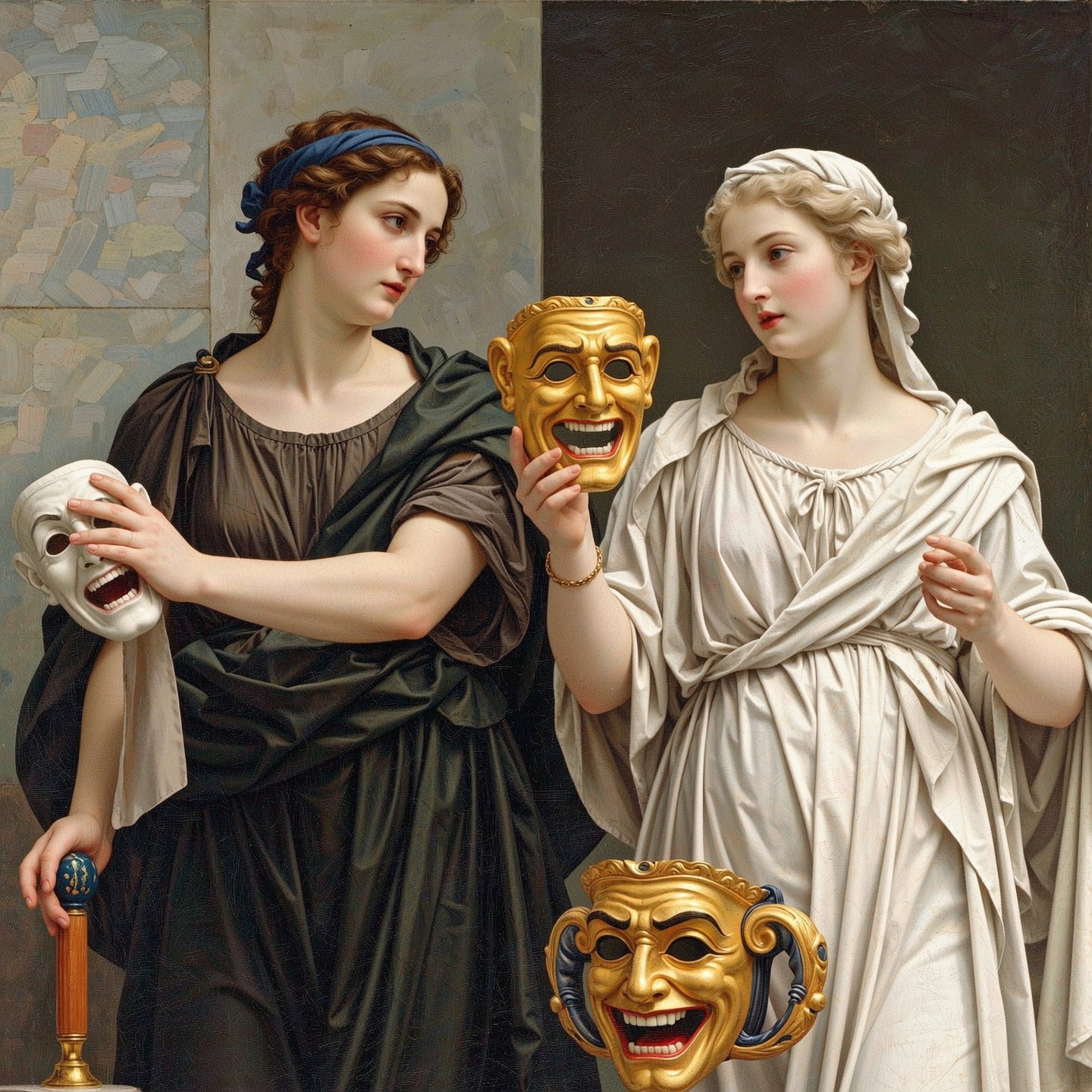
You have likely encountered moments when two seemingly contradictory truths demanded your allegiance simultaneously. Perhaps you felt the pull toward independence while also longing for deep connection. Maybe you recognized the necessity of accepting yourself exactly as you are while also feeling called toward meaningful change. These experiences of paradox are not problems to be solved but invitations into a more spacious way of being.
What Integration Actually Means
Psychological integration represents far more than compromise or finding middle ground. When we speak of integrating paradoxes, we are describing the capacity to hold opposing truths in dynamic tension without forcing resolution. This differs fundamentally from synthesis, where two elements combine to create something entirely new that eliminates the original pair. Integration preserves both poles while expanding our ability to contain them.
Consider the paradox of strength and vulnerability. Our culture often presents these as opposites requiring a choice. Yet the most emotionally intelligent individuals demonstrate that authentic strength requires vulnerability, and that vulnerable expression demands tremendous courage. Neither quality diminishes the other. Instead, they exist in a relationship of mutual enhancement that becomes accessible only when we stop treating them as contradictions.
The Discomfort That Precedes Expansion
Growth through integration rarely feels comfortable. When you first encounter a genuine paradox in your own psyche, the experience often registers as cognitive dissonance, that uncomfortable sensation when your existing frameworks prove insufficient for the complexity you are encountering. The temptation in such moments is to resolve the tension quickly by choosing one side or the other.
Resist this temptation when you can. The discomfort signals that your psychological container is being stretched to accommodate more of reality. Like the physical sensation of muscles working during exercise, this cognitive strain often precedes genuine development. The goal is not to eliminate the tension but to develop increased tolerance for holding it.
Shadow Work and the Integration of Disowned Parts
Carl Jung's concept of the shadow offers a particularly powerful lens for understanding paradox integration. The shadow contains everything about ourselves that we have rejected, denied, or failed to develop. Often these disowned parts represent one pole of a paradox we have resolved prematurely.
If you pride yourself on rationality, your shadow likely contains unexpressed emotion. If you identify strongly with kindness, your shadow may hold legitimate anger and the capacity for firm boundaries. The work of integration involves recognizing that these rejected qualities are not enemies to be defeated but lost aspects of wholeness awaiting reclamation.
This recognition requires what I call "compassionate curiosity" toward your own psychology. Rather than judging the parts of yourself that emerge from shadow, you might approach them as you would a frightened child who has been hiding in a dark room. These aspects of self often developed in response to real circumstances that made their expression unsafe or unwelcome. Understanding their origins opens pathways toward integration.
The Both/And Capacity
Mature psychological functioning increasingly operates from what researchers call "dialectical thinking," the capacity to perceive validity in opposing perspectives simultaneously. This both/and orientation differs markedly from the either/or thinking that characterizes earlier developmental stages.
You can love someone deeply and need distance from them. You can feel grateful for your life and still want things to change. You can accept your limitations and work to transcend them. You can hold certainty about your values and remain genuinely open to perspectives that challenge them. Each of these represents not confusion or inconsistency but expanded capacity.
Developing this capacity requires practice. Notice when you frame situations in binary terms. When you catch yourself thinking "either this or that," pause and ask whether both might be true. This simple reframe, applied consistently over time, gradually rewires habitual patterns of thought.
Integration as Ongoing Practice
Perhaps the most important understanding about paradox integration is that it represents a practice rather than an achievement. You do not arrive at some final state of perfect integration and remain there permanently. Instead, you develop increasing skill at recognizing paradoxes, tolerating their tension, and allowing your understanding to expand.
Life continues presenting new paradoxes calibrated to your current level of development. Just when you feel you have mastered the integration of independence and connection, a new relationship or life circumstance reveals dimensions of that paradox you had not previously encountered. This is not failure but the natural curriculum of continued growth.
The integrated life is not one free of contradiction but one that has made peace with contradiction as inherent to human experience. From this foundation, you can engage the full complexity of existence without needing to reduce it to manageable simplicities. You become capable of wisdom, which might be defined as the ability to hold complexity with equanimity while still taking meaningful action.
A Practice for Beginning
If you wish to explore paradox integration in your own life, begin by identifying one tension you have been trying to resolve. Write down both poles of the paradox without judgment. Then spend time with each pole separately, asking what it offers, what it protects, and what it fears in the opposing pole.
Finally, sit with both truths simultaneously without trying to choose between them. Notice what happens in your body when you hold the tension rather than collapsing it. This embodied practice of containment, repeated regularly, gradually develops the psychological spaciousness that integration requires.
The journey toward wholeness does not eliminate the paradoxes of human existence. It makes room for them. And in that making room, something unexpected often emerges: not the resolution we sought, but a peace that no longer requires resolution.